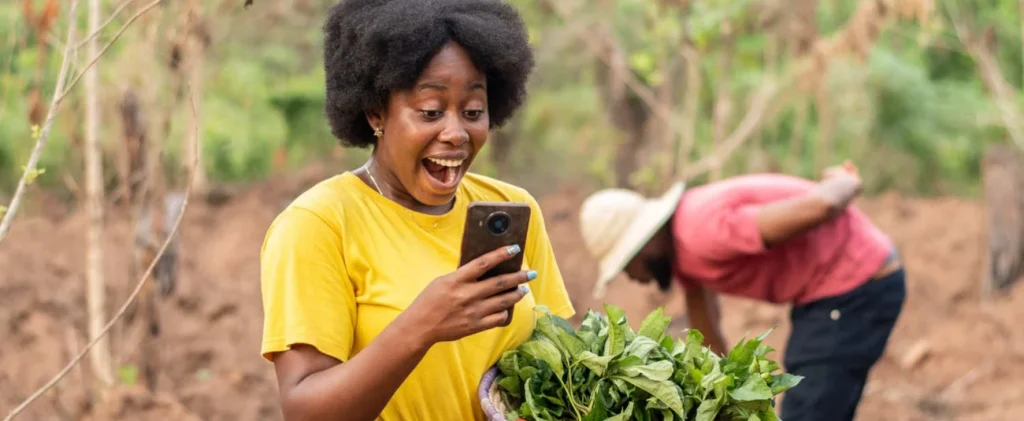

Agriculture is the backbone of Africa’s economy, providing livelihoods for millions of people and contributing significantly to the continent’s GDP. Despite facing numerous challenges, women in Africa have always played a crucial role in agricultural production, from planting and harvesting crops to managing livestock and preserving food. However, over the years, the role of women in agriculture has evolved, and today, women are at the forefront of transforming the sector. Through innovation, leadership, and resilience, African women are not just changing the way farming is done but are also leading the charge toward food security and economic empowerment for the entire continent.
This article highlights the transformative role of women in agriculture across Africa, exploring how they are overcoming obstacles, driving agricultural innovation, and contributing to sustainable development.
Women as Pillars of African Agriculture
Across Africa, women make up nearly 50% of the agricultural workforce, and in some regions, they represent 80% of the labor force in farming. Women are involved in nearly every aspect of agriculture, from planting seeds to marketing produce. However, despite their significant contributions, they have historically faced barriers such as limited access to resources, land, finance, and training. These challenges have often hindered their potential and the growth of the agricultural sector.
Nevertheless, as gender equality and women’s rights gain global momentum, African women are increasingly gaining access to the tools and opportunities they need to succeed in agriculture. Women are not only stepping up in traditional farming roles but are also taking on leadership positions, driving innovation, and influencing policies.
1. Innovating and Introducing New Agricultural Practices
Women in Africa are bringing fresh perspectives to agriculture by adopting innovative farming techniques that increase productivity and sustainability. With their keen understanding of the land, climate, and crop cycles, women are able to adapt traditional methods to suit modern needs.
a) Sustainable Agriculture Practices
Many African women are pioneering sustainable farming practices that reduce environmental impact while boosting crop yields. They are adopting organic farming, using natural fertilizers, practicing crop rotation, and implementing agroecology principles that support soil health and biodiversity. These practices not only contribute to food security but also help protect the environment for future generations.
b) Climate Resilient Farming
In the face of climate change, women have become leaders in promoting climate-smart agricultural practices. From drought-resistant crops to water-efficient irrigation techniques, women are making critical strides in adapting to shifting weather patterns and ensuring food security in an increasingly unpredictable climate. Their efforts include promoting the use of climate-resilient seeds, introducing rainwater harvesting systems, and implementing low-cost, water-efficient irrigation systems that can mitigate the effects of climate variability.
c) Technology and Digital Agriculture
With the rise of digital technology, women are increasingly turning to mobile phones and online platforms to improve farming practices. Apps and platforms offering weather forecasts, market prices, and farming advice are helping women farmers make more informed decisions. Additionally, women are using drones, sensors, and data analytics to monitor crops, optimize irrigation, and manage pests. These technological tools empower women to increase efficiency, reduce losses, and boost agricultural productivity.
2. Driving Economic Empowerment through Entrepreneurship
Agricultural entrepreneurship is another area where African women are making significant strides. In recent years, women have started their own agro-businesses, ranging from food processing and packaging to agribusiness consulting and agricultural input supply. Their entrepreneurial ventures are not only creating employment but also driving economic growth in rural areas, where agricultural activities are the primary source of income.
a) Food Processing and Value Addition
Women are increasingly involved in processing agricultural produce into finished goods, creating value-added products such as dried fruits, juices, oils, jams, and processed grains. This value addition improves the shelf life of agricultural products, opens new markets, and increases household incomes. By processing local crops, women are also reducing food waste and contributing to the broader food supply chain.
b) Market Access and Trade
Women’s access to markets has been expanded with initiatives aimed at improving supply chains and connecting rural farmers with urban markets. Women are leveraging market linkages to access better prices for their produce, increase their sales, and develop stronger business networks. Many are organizing cooperatives and forming women-led farmer groups that allow them to collectively access markets and negotiate better prices, strengthening their economic position.
c) Agro-Tech Startups
In recent years, African women have begun establishing innovative agro-tech startups that bridge the gap between farmers and technology. These startups use mobile apps, online platforms, and digital payment systems to create efficient agricultural value chains, connecting farmers with buyers, suppliers, and financial institutions. For example, women-led startups are helping smallholder farmers access financing, insurance, and market information to improve productivity and income.
3. Improving Access to Resources
Historically, women in Africa have faced difficulties accessing key resources such as land, credit, and agricultural inputs. However, there has been a growing push to address these inequalities, and women are increasingly gaining access to the tools they need to succeed in agriculture.
a) Land Ownership and Rights
Land ownership and access remain critical issues for women in agriculture. However, various legal reforms and advocacy efforts have made progress in securing land rights for women. Women are increasingly advocating for policies that give them equal access to land and property rights, enabling them to make long-term investments in their farms. Programs and initiatives that educate women about their rights and provide them with legal support are also empowering women to claim and protect their land.
b) Financial Inclusion
Access to credit and financial services is another barrier for women in agriculture. In response, financial institutions, governments, and NGOs have launched initiatives aimed at providing women farmers with affordable credit, insurance, and savings products. Microfinance institutions and mobile banking platforms are also increasing financial inclusion for women in rural areas, allowing them to invest in their businesses and agricultural ventures.
c) Training and Capacity Building
Training women farmers in new technologies, crop management practices, and business skills is vital for improving productivity and sustainability. Numerous NGOs, development agencies, and government programs offer training that focuses on women’s specific needs in agriculture. These programs teach everything from basic farming techniques to business management and leadership skills, equipping women to become more effective managers of their agricultural enterprises.
4. Leadership and Advocacy for Policy Change
African women are increasingly taking on leadership roles in agriculture, not only as farmers but also as advocates for policy change. They are pushing for gender-sensitive policies that address the unique challenges women face in agriculture, such as access to land, finance, and technology.
a) Women-Led Agricultural Organizations
Women are organizing into cooperatives and national networks to advocate for agricultural policies that support their needs. These organizations are working to raise awareness about gender disparities in the agricultural sector, engage with policymakers, and ensure that women’s voices are heard at all levels of decision-making. By participating in governance structures, women are helping shape policies that promote gender equality and agricultural development.
b) Promoting Gender Equality in Agriculture
Many women are advocating for policies that promote gender equality in agriculture, such as equal access to land, agricultural inputs, and markets. These efforts are critical in ensuring that women are not only recognized for their contributions to the agricultural sector but are also given the opportunity to thrive. Women-led organizations and campaigns are pushing for gender-responsive budgeting and policies that focus on the specific needs of women farmers.
Conclusion: A Future Driven by Women
Women are driving a remarkable transformation in agriculture across Africa. Through their innovation, entrepreneurial spirit, and determination, they are reshaping the sector and creating new opportunities for themselves, their families, and their communities. While challenges remain, the growing recognition of women’s contributions to agriculture is paving the way for more inclusive and sustainable development.
As Africa continues to face pressures related to food security, climate change, and economic growth, empowering women in agriculture will be essential to the continent’s long-term success. By investing in women’s access to resources, training, and leadership opportunities, Africa can harness the full potential of its agricultural sector and build a more resilient and prosperous future for all.